The Living Range Project
Conservation tech for working-lands intelligence.
A real-world demonstration that joins a multi-generational cattle operation with a coalition of technology and science partners — testing whether working lands can be productive and measurably better for wildlife at the same time.
Holland Ranch holds some of the finest sage-grouse habitat in southwest Montana. A central goal of the project is to prove — with hard data, not anecdote — that modern, adaptive grazing can be introduced without degrading that habitat or the birds' breeding leks.
- Project
- Holland Ranch Conservation Technology Demonstration
- Location
- Southwest Montana — private, state, BLM & USFS lands
- Total acres
- 129,007
- Lead ranch partner
- HRL Inc. (land) & Holland Ranch Co. (livestock)
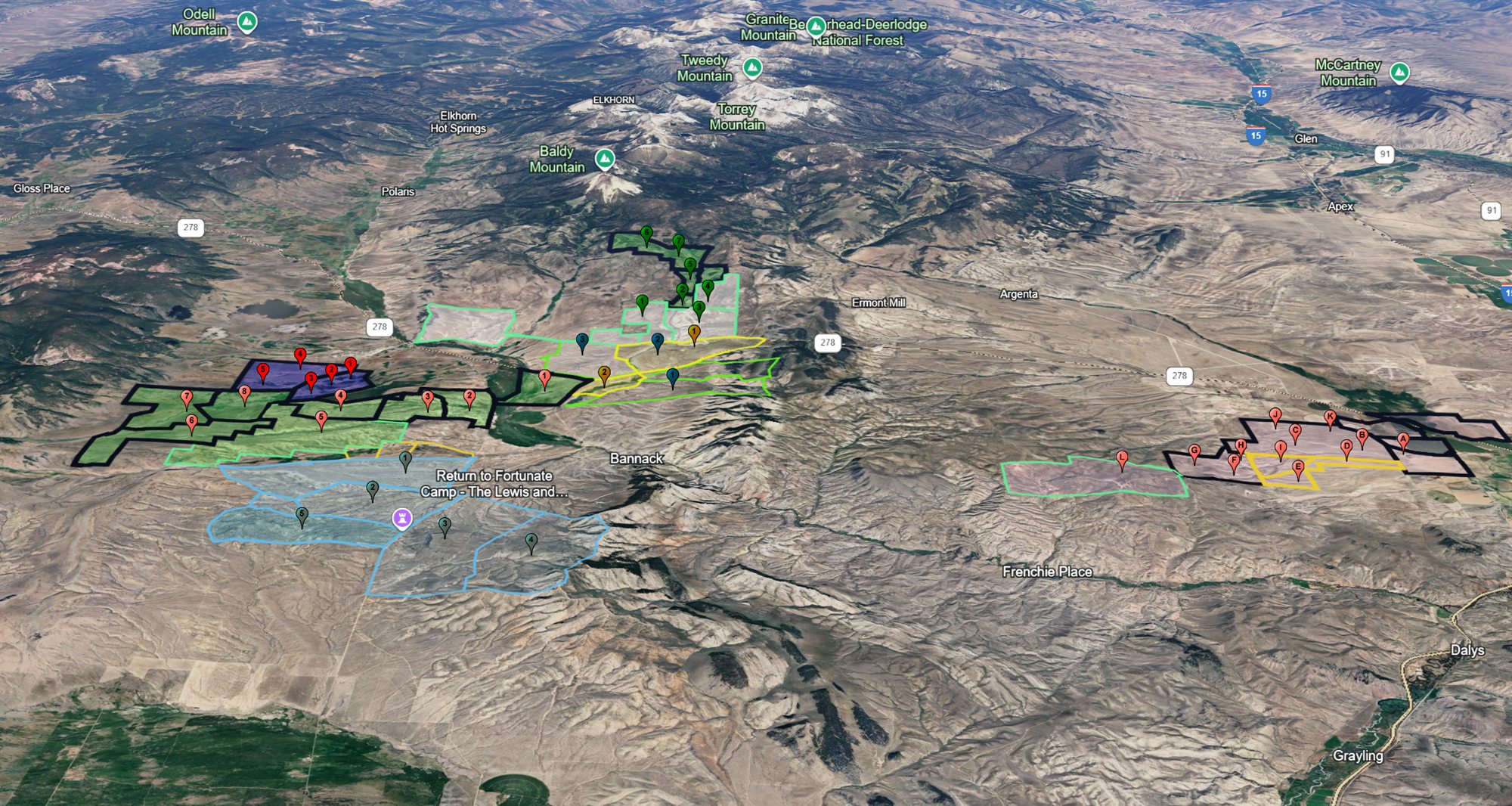
A working landscape, instrumented.
The Holland Ranch Conservation Technology Project is a real-world demonstration of integrated conservation technology deployed across 129,007 acres of private, state, BLM, and U.S. Forest Service grazing lands in southwest Montana.
It joins a multi-generational cattle operation with a coalition of technology and science partners — Grizzly Systems, Planet, Halter, Lonestar GPS, SPOT, and Cultivo — to test whether working lands can be productive and measurably better for wildlife at the same time.
The core innovation is a closed loop: ground-based sensing from GrizCam units, satellite observation from Planet, and adaptive grazing management, each feeding the others so that decisions on the ground are informed by what the land and its wildlife are actually doing.
Why it matters: sage-grouse are a bellwether for the entire sagebrush biome, and the question of whether cattle and sage-grouse can share ground sits at the center of Western land policy. If continuous, defensible data can show that productive grazing leaves sage-grouse habitat and breeding intact, it hands ranchers across the West a science-backed playbook for keeping working lands working and wildlife thriving — and a model that scales far beyond one ranch.
What we're measuring for.
- 01
Wildlife Connectivity
Keeping migration corridors open across a 129,000-acre mosaic of public and private range.
- 02
Sage-Grouse & Soil Health
Testing whether adaptive grazing can build soil organic carbon and plant diversity while leaving sage-grouse leks and breeding intact.
- 03
Water & Climate Resilience
Stretching limited water with programmable infrastructure and drought-aware stocking.
- 04
Carnivore Coexistence
Reducing livestock–predator conflict with virtual fencing, guardian animals, and early detection.
- 05
Science-Based Wolf Monitoring
Monitoring wolves with bioacoustics and AI detection — evidence rather than anecdote.
- 06
Economic Resilience
Proving conservation practices that also protect the ranch's bottom line.
A coalition in the field.






Generations on the range.
The Holland Ranch has been a working family operation in southwest Montana since 1949. Today it runs roughly 1,750 mother cows and 100 bulls across 18,937 deeded acres and a much larger grazing footprint of leased public land.
That footprint spans four U.S. Forest Service allotments, six BLM allotments, and three private leases — about 1,450 head graze public lands seasonally, across 83,672 USFS acres, 23,939 BLM acres, and 2,459 acres of Montana State DNRC land. A partnership with Walker Outfitting supports controlled hunts on the property.
Managed by design, not by default.
Operations are led by Koy Holland, whose Range Management degree from Montana State University shapes a deliberate, science-forward approach to grazing and infrastructure.
Among the investments is a nine-mile waterline system with programmable wells and propane-powered generators — letting the ranch move water, and therefore cattle, with precision across dry country.
What shares the range.
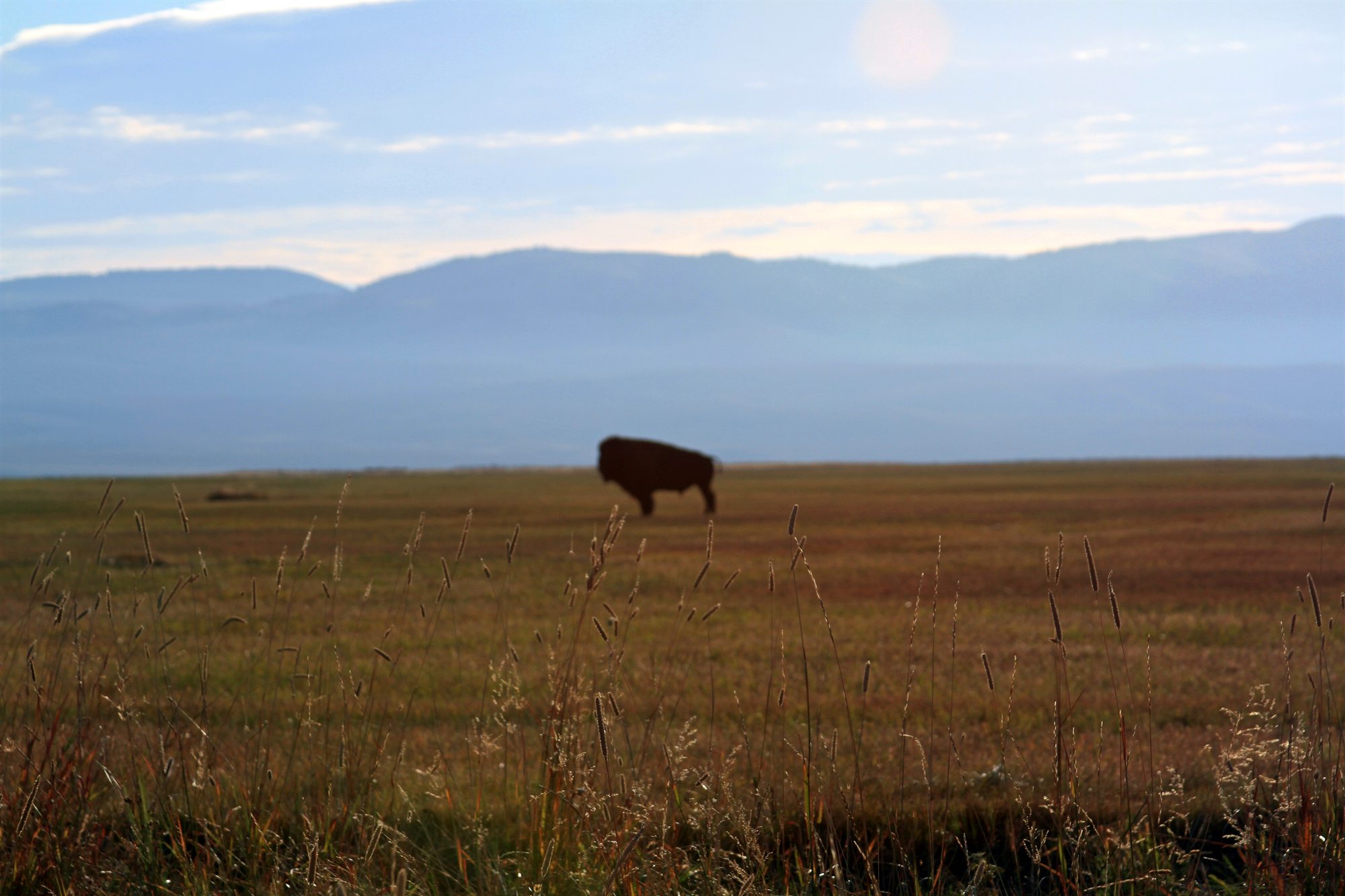
The landscape supports trout, pronghorn, elk, moose, wolves, grizzly bears, sage-grouse, and a range of grassland birds — a cross-section of the species that depend on intact working lands.
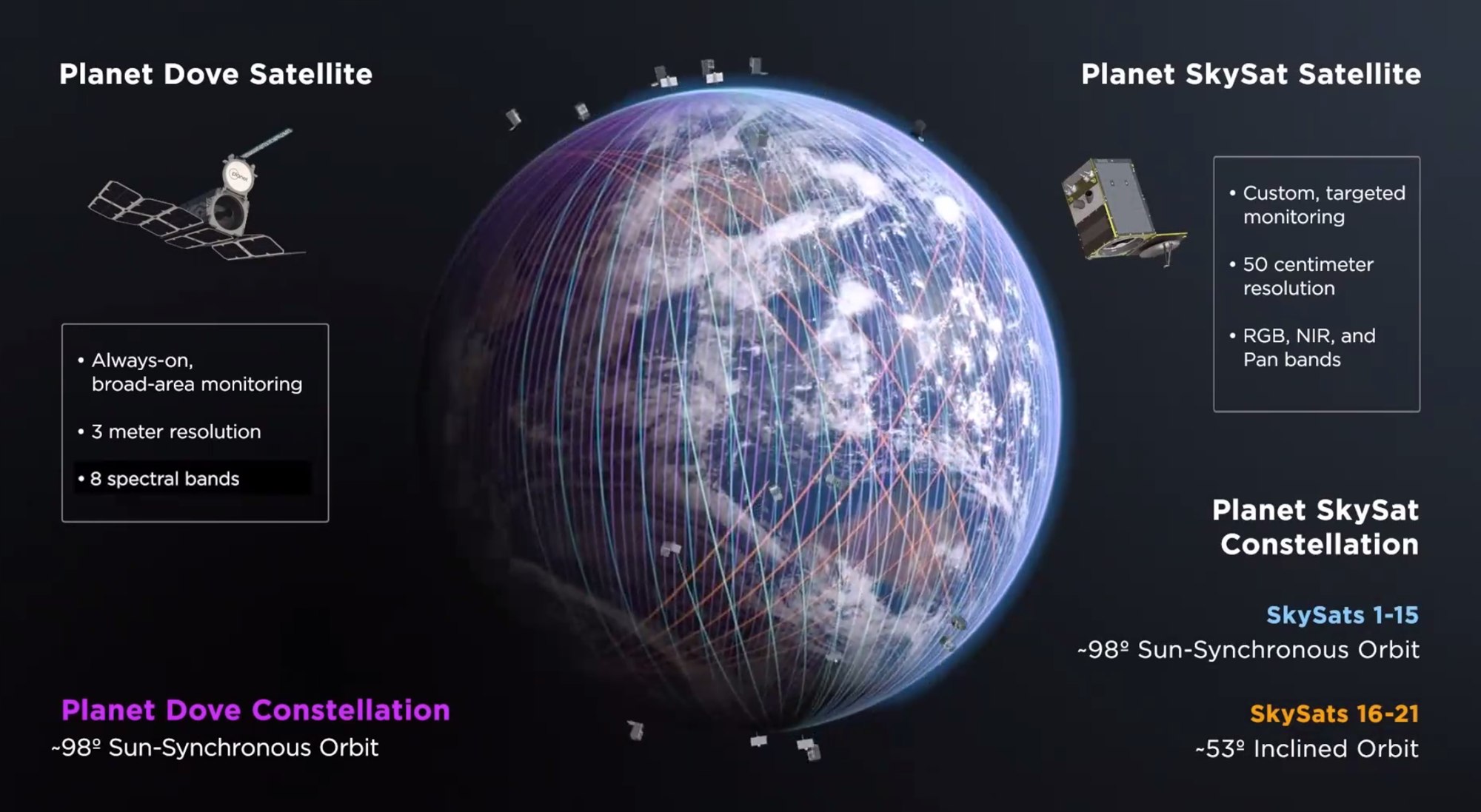
Monitoring is shared across the partner coalition: GrizCam units for detection and bioacoustics, Halter for livestock movement, SPOT for guardian animals, Planet for landscape change, and Cultivo for soil and biodiversity — together building a picture no single sensor could.
Listening for biodiversity.
A formal bioacoustics protocol underpins the biodiversity work. Continuous GrizCam recorders run a BACI / stepped-wedge design against 25–30 hectare exclosures, comparing grazed and ungrazed ground.
AI-based bird detection is validated against expert review, then rolled up into species-occupancy and community-stability metrics — recording continuously at 24–48 kHz across the 0.3–10 kHz band. The full protocol, including study design and peer-reviewed references, is available below.
Bring this to your land.
We deploy GrizCam and integrate the partner stack on private ranches, public allotments, and research landscapes. Tell us about yours.